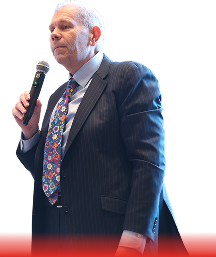


Meet Scott Pape – Author – The Barefoot Investor Book.
 I first met Scott at the 2012 AHA South Australia Conference in Adelaide. We were both on stage, presenting to a room full of hospitality venue owners and their staff. We have been really good friends ever since. He is an awesome guy, a great dad, and someone who really cares about people. He is also the author of the MEGA best-selling book The Barefoot Investor (Now over 3 Million copies sold in Australia).
About The Barefoot Investor Book
The Barefoot Investor by Scott Pape is a straightforward, no-jargon guide to taking control of your money so you can live well now, clear your debts, and retire with confidence. Scott’s style is refreshingly simple – he’s a farm boy turned financial coach who values freedom, security, and a life that isn’t complicated by money stress. His system isn’t about penny-pinching — it’s about creating a structure that works on autopilot.
The book is broken into three stages:
- Planting – setting up the foundations
- Growing – building wealth and security
- Harvesting -enjoying the rewards without fear of running out
The Core Barefoot System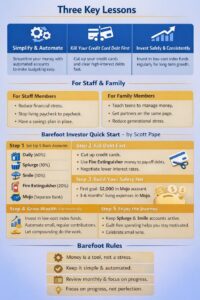
Scott’s financial plan works because it’s clear, repeatable, and quick to maintain. You don’t need to be a “money person” to get results. The idea is to automate your finances so you can manage them in less than an hour a month.
The 3 Buckets Approach (Serviette Strategy)
Every dollar you earn is divided into three main purposes:
- Blow — everyday living and fun money
- Mojo — emergency savings to cover life’s curveballs
- Grow — long-term investments for your future
The 5 Bank Accounts Setup
- Daily — 60% of income for living expenses like rent, groceries, utilities.
- Splurge — 10% for guilt-free spending (movies, dinners, small luxuries).
- Smile — 10% for long-term fun goals (holidays, big purchases).
- Fire Extinguisher — 20% to attack debts or unexpected bills.
- Mojo — separate bank, your ‘financial safety bunker’ with 3–6 months of expenses.
Three Key Lessons
1. Simplify and Automate
Most financial stress comes from complexity and disorganisation. By splitting your income into clear accounts and automating transfers, you remove decision fatigue and make budgeting easy for anyone — whether it’s your teenage kids or a staff member.
2. Kill Your Credit Card Debt First
Cut up your credit cards. Then use your ‘Fire Extinguisher’ account to clear debts starting with the highest interest first. Without debt, your income becomes a tool for building wealth, not plugging holes.
3. Invest Safely and Consistently
Scott champions low-cost index funds for steady, long-term returns. You don’t need to time the market — you just need to keep adding small amounts regularly. Over time, compounding does the heavy lifting.
How Staff and Family Can Use This System
For Staff Members
- Reduce financial stress that affects work performance.
- Learn to live within their means and stop living paycheck to paycheck.
- Gain confidence through small, early wins (like paying off a credit card).
- Have a clear, non-intimidating plan for savings and retirement.
For Family Members
- Give teens and young adults a roadmap for managing their first paychecks.
- Help partners get on the same page financially without arguments.
- Teach kids that money is a tool — not something to fear or fight about.
- Reduce generational money stress by showing them how to plan ahead.
Why It Works for Everyone
- Simple language — no jargon or complex spreadsheets.
- Quick setup — the system can be implemented in a single afternoon.
- Psychology-first approach — focuses on quick wins and habit building.
- Scalable — works whether you earn $50K or $500K a year.
- Low maintenance — once set, it runs almost on autopilot.
Getting Started Sorting Out Your Finances with the Barefoot Investor
Here’s a Barefoot Investor Quick Start Cheat Sheet you can hand to staff or family so they can start straight away without reading the whole book.
Barefoot Investor Quick Start – by Scott Pape
Step 1 – Set up the 5 Bank Accounts
- Daily (60%) – Rent/mortgage, bills, food, fuel
- Splurge (10%) – Fun money (movies, dinners, treats)
- Smile (10%) – Big goals (holiday, new car, home deposit)
- Fire Extinguisher (20%) – Pay off debt or cover surprise expenses
- Mojo (Separate Bank) – Emergency savings, aim for 3–6 months of living costs
Step 2 – Kill Debt Fast
- Cut up credit cards today
- Use Fire Extinguisher money to smash high-interest debts first
- Negotiate lower interest rates with your bank
Step 3 – Build Your Safety Net
- First goal: $2,000 in Mojo account (don’t touch it)
- Next: 3–6 months of living expenses in Mojo
- This is your buffer against job loss or emergencies
Step 4 – Grow Wealth Automatically
- Once debt is gone and Mojo is full, start investing in low-fee index funds
- Automate small weekly or monthly contributions
- Let compounding do the work
Step 5 – Enjoy Life Along the Way
- Always keep Splurge and Smile accounts active
- Guilt-free spending helps you stick to the plan long-term
- Celebrate small wins (like paying off a card or hitting a savings goal)
Barefoot Rules
- Money is a tool — not a stress
- Keep it simple and automated
- Review accounts once a month (takes less than an hour)
- Focus on progress, not perfection
FAQs about The Barefoot Investor Strategies
Final Thoughts
Scott Pape’s The Barefoot Investor isn’t just a book — it’s a ready-made blueprint for financial stability. If you implement it with your team or family, you’ll not only improve their bank balances but also reduce stress, improve focus, and give them a sense of security.
All my kids and many of my staff implemented the Barefoot Program and as they have now grown up – it’s been a real winner!
And when the people around you are financially secure, they’re happier, more productive, and better able to contribute at work and home.